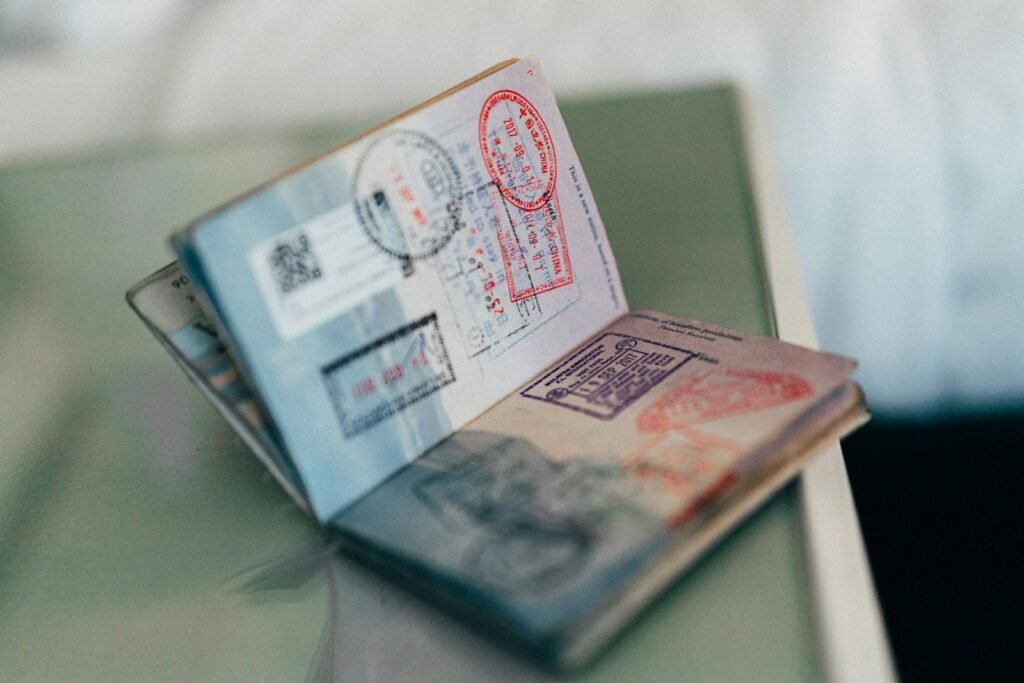
A Schengen short-stay visa (type C) lets you visit the Schengen area for tourism, family visits or business for up to 90 days in any 180-day period. One visa covers travel across all Schengen member states during its validity. Most refusals are avoidable, so preparation matters.
Which country should you apply to?
- If you are visiting one country, apply to that country’s consulate or its visa application centre.
- If you are visiting several countries, apply to the country where you will spend the most time.
- If your time is split equally, apply to the country you will enter first.
When to apply
You can apply up to six months before your trip and no later than 15 days before it. Appointment slots can be limited in peak season, so applying well ahead of the minimum is sensible.
Fees and processing time
- Visa fee: €90 for adults and €45 for children aged 6 to under 12. Children under 6 are exempt.
- Visa application centres (such as VFS Global or BLS) usually add a service fee.
- The visa fee is not refunded if the application is refused.
- Standard processing time is 15 days, which can be extended (up to 45 days in individual cases).
Document checklist
Exact requirements vary by consulate, but most applications include:
- Passport issued within the last 10 years, valid for at least three months after your planned departure from the Schengen area, with at least two blank pages
- Completed and signed application form
- Recent photograph meeting ICAO specifications
- Travel medical insurance covering emergency medical care, hospitalisation and repatriation for the whole stay (consulates commonly require minimum cover of €30,000)
- Flight reservation and a day-by-day itinerary
- Hotel bookings or an invitation letter from your host
- Bank statements and proof of income for recent months
- Employment letter with approved leave, or business registration and tax documents if self-employed
- Cover letter explaining the purpose of the trip
- Previous travel history, if any
Fingerprints and a photo are taken at the appointment unless you gave them for a Schengen application in the last 59 months.
Common reasons for refusal
- Purpose of travel not justified – an itinerary or invitation that does not match the rest of the file.
- Insufficient financial means – balances that look inflated, unexplained deposits or income that does not support the trip.
- Doubts about intention to return – weak evidence of employment, business, family or property ties at home.
- Inconsistent or incomplete documents – dates, names or figures that do not match between documents.
- Inadequate travel insurance – cover that does not meet the consulate’s requirements.
- Previous immigration issues – overstays or undisclosed refusals.
If you are refused, the decision letter states the reasons and explains how to appeal. Reapplying with the same weaknesses rarely works; address the specific reasons first.
How AZ Sterling International can help
We check which consulate you should apply to, build a personalised checklist, review every document for consistency and prepare your cover letter. If you were refused before, we review the refusal reasons with you. We do not guarantee approval, as decisions rest solely with the consulate.
See our Schengen visa service or request a free assessment.
Sources
- European Commission – Applying for a Schengen visa
- Immihelp – Schengen visa application fees
- Business Today – Applying for a Schengen visa in 2026
Information is current as of November 2026. Requirements differ by consulate; always confirm with the embassy or its official visa centre.